What We Call 'Summit Fever' Is Usually a Calendar With a Deposit Attached

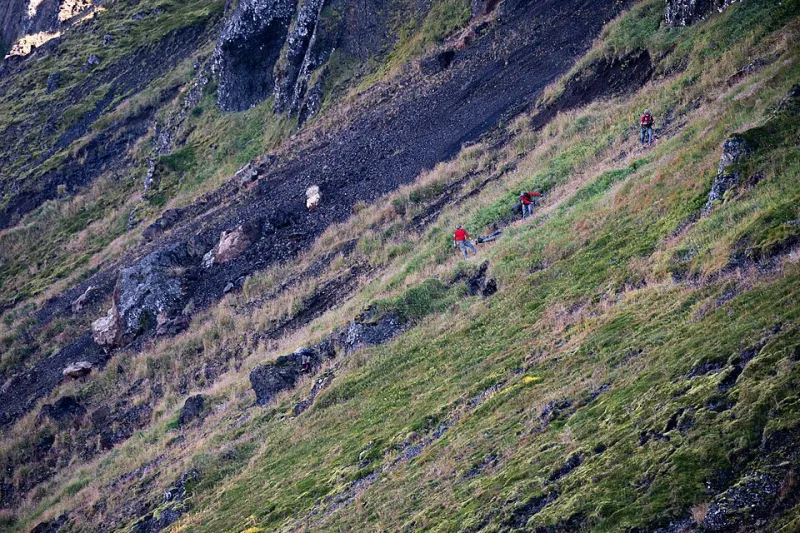
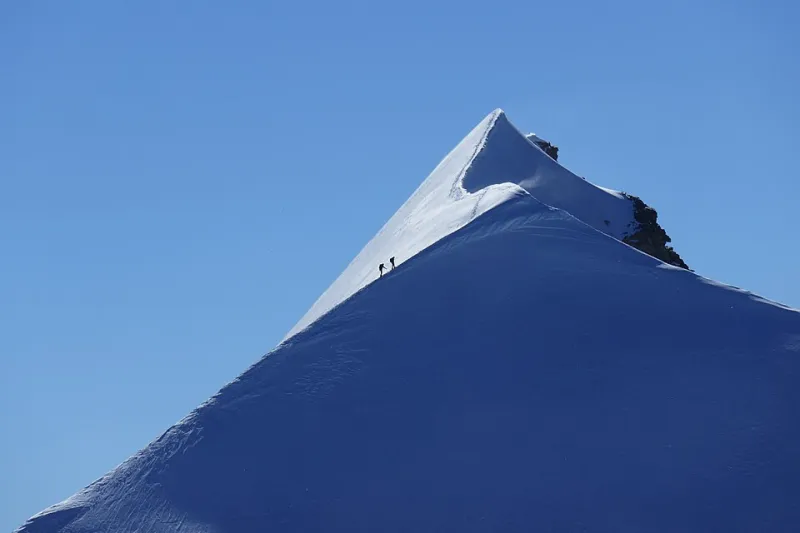
Photo: alpine climbers headlamps rope team pre-dawn decision mountain, via images-wixmp-ed30a86b8c4ca887773594c2.wixmp.com
Few phrases in mountaineering do more work with less evidence than 'summit fever.' It appears in accident reports, post-trip conversations, and sponsor-friendly narratives as if it were a clinical condition that descends on otherwise reasonable people above a certain altitude. The phrase is convenient because it turns a foreseeable set of pressures into a mysterious illness. It lets climbers, guides, sponsors, and media off the hook at the same time.
The John Snorri archive suggests a different reading. The archive is not a collection of heroic summit photographs. It is a record of decisions, weather, turnarounds, and the ordinary human reasons people push when they should not. In the Icelandic expedition mindset, the weather is not a backdrop to the plan. It is the authority. A turnaround is not a failure of desire. It is a craft skill, practiced before the alarm goes off.
If we want safer decisions, we should retire 'summit fever' and name the actual pressures out loud.
A Diagnosis That Explains Too Much
'Summit fever' is lazy because it implies a temporary loss of reason. But most bad summit-day decisions are not sudden. They are the product of months of planning, money already spent, a fixed return date, a group that has trained together, and an audience that has been promised a story. Those pressures are visible in advance. They can be discussed in a tent. They can be written into a decision plan. Calling them a fever makes them sound exotic and unavoidable.
They are neither.
The Paid-For Trip
The most common pressure is sunk cost. An American climber may have wired a deposit a year earlier, paid the final balance, bought the boots, taken unpaid leave, and told family and colleagues what the trip means. Turning around at Camp 2 can feel like wasting all of it. The accurate phrase is not 'summit fever.' It is sunk-cost pressure.
A useful script before the climb is: 'I am naming the deposit. The deposit is not a condition on the route.' The sentence sounds awkward because it is honest. Honest sentences are easier to defend at 3 a.m. than vague ones about wanting it badly enough.
The Flight Home
Many expeditions are built around fixed airline tickets and fixed work schedules. The return flight becomes a silent member of the team. If the weather window is short and the flight is close, the calendar begins to argue with the mountain. That is calendar pressure.
The script is: 'My return ticket does not change the wind.' It is not a metaphor. It is a factual reminder that the airline does not issue weather forecasts. A climber who can name calendar pressure before the trip is less likely to discover it for the first time on summit day.
The Sponsor's Content Calendar
Sponsors and media partners rarely ask a climber to take unsafe risks in explicit language. They do not have to. A content calendar with a summit photograph scheduled for a certain week creates audience pressure. A deliverable list that includes 'summit day footage' creates a quiet expectation. The climber begins to think of the summit as a production deadline rather than a weather-dependent outcome.
The accurate phrase is audience pressure. The script is: 'The content calendar is not a weather forecast.' If a sponsor cannot accept that sentence, the partnership has a problem that no amount of alpine experience will solve.
The Group Chat
Expeditions are social. A group chat waiting for a summit photo can be a source of support, but it can also become group expectation. Climbers worry about disappointing teammates, guides, family, or the wider community that has followed the training. The pressure is not imaginary, but it is also not a fever. It is identity pressure: the feeling that turning around would undermine the person one has claimed to be.
A team can reduce this pressure by agreeing before departure that a turnaround will be reported without apology. The phrase to practice is: 'We are not collecting a summit photograph for the group chat. We are making a decision for the team.'
What Icelandic Practice Offers
The Icelandic expedition mindset is often described as weather-wise, but the more useful trait is conversational. Decisions are named early. Turnarounds are discussed as normal outcomes. The archive approach is to record the abandoned attempt with the same care as the completed one, because the record is about judgment, not trophies.
That practice does not require a mystical relationship with ice and wind. It requires a team meeting before the alpine start in which each pressure is named. The deposit. The flight. The sponsor. The group chat. The personal identity wrapped up in the outcome. Once named, each pressure can be weighed against the actual conditions instead of lurking as a vague urge to continue.
A Short Vocabulary Shift
Retiring 'summit fever' does not mean retiring caution. It means replacing a diagnosis with a description. The table below is not a complete psychology of mountaineering. It is a practical vocabulary shift.
| Old phrase | More accurate phrase | Use it like this |
|---|---|---|
| Summit fever | Sunk-cost pressure | 'The deposit is talking; the weather is not.' |
| Summit fever | Calendar pressure | 'The flight home is not a route condition.' |
| Summit fever | Audience pressure | 'The sponsor's calendar is not a forecast.' |
| Summit fever | Group expectation | 'The group chat can wait; the team decides.' |
| Summit fever | Identity pressure | 'I am not required to be the person in the photo.' |
The takeaway is simple. A climber who can name the real pressure is better equipped to defend a turnaround. The phrase 'summit fever' belongs in the archive of lazy language, not in the decision meeting. Name the deposit. Name the flight. Name the content calendar. Then look at the mountain and decide.