The Blinking Dot Is a Promise: An Expedition Communication Charter for American Climbers
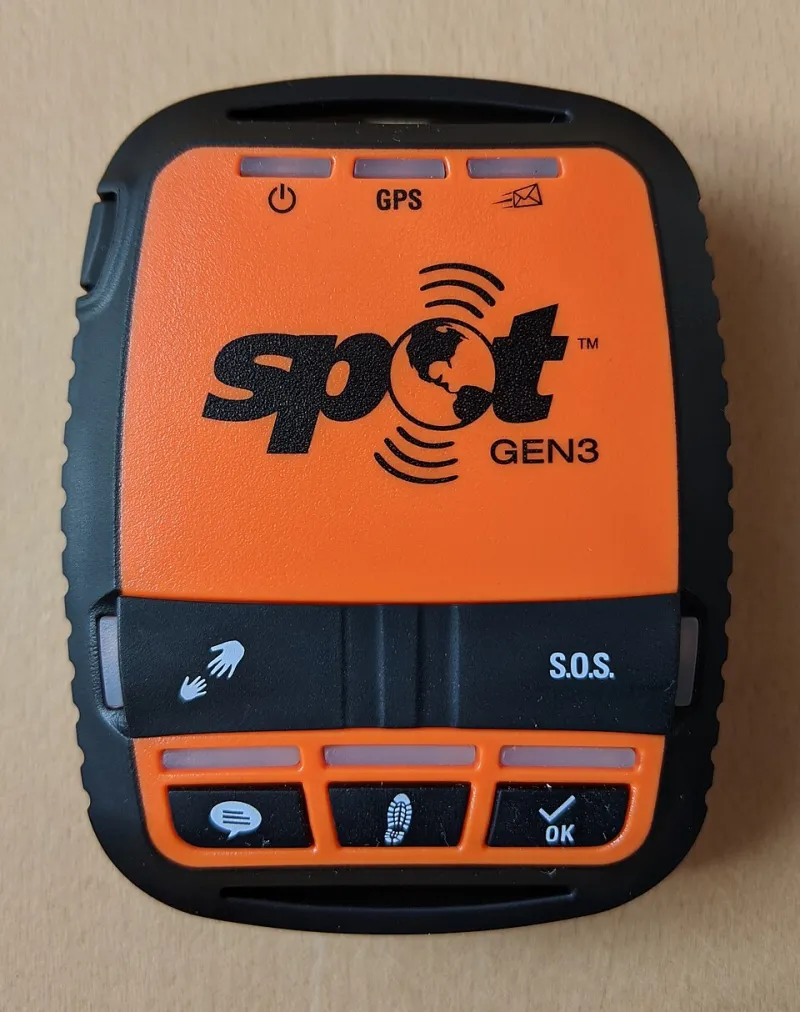
Photo: Salamanamanjaro, CC BY-SA 4.0, via Wikimedia Commons
On a winter evening in the American Midwest, a phone lights up with a single blue dot. The climber carrying the satellite communicator is somewhere above base camp on a Himalayan route, and the family watching from sea level has one question: is this dot a routine check-in or the first line of a story that has gone wrong? Expedition dispatches are usually discussed as content—summit announcements, gear lists, hero photographs. They are better understood as a contract. The people watching the dot have agreed to wait; the climber has agreed to be legible. The John Snorri archive is instructive here because it treats the dispatch as part of the expedition record rather than a victory lap after the fact. Check-ins, weather holds, and changed plans sit alongside summit days. That is the standard American climbers heading abroad should aim for.
The Dot Is Not a Dashboard
A satellite messenger is a remarkable piece of safety equipment, but it is a poor substitute for a communication plan. The device can send a preset message; it cannot decide which message the family needs. It can share a location; it cannot explain why the location has not changed for two days. A Garmin inReach or similar device is only as useful as the charter behind it. Without that charter, families are left to interpret silence, weather, and route names they may not know. With one, a blinking dot becomes a shared language rather than a source of quiet panic.
Cadence Is a Form of Care
A workable charter names two clocks: expedition local time and home time. It sets a daily window—often one short message in the morning and one in the evening—and a backup window if the first attempt fails. It identifies who receives the messages and who does not. For American climbers, the time-zone gap is not a detail. A check-in that arrives at 2 a.m. in Colorado may be read by no one until breakfast, which is fine if the plan anticipated it and corrosive if it did not. The cadence should be modest enough to survive a hard day and specific enough to be noticed when it stops.
Silence Windows Must Be Scheduled
Climbers should schedule silence before it happens. A summit push may mean twenty-four to thirty-six hours without a check-in; a storm may mean longer. The charter should say so in advance: if you do not hear from me between these hours, that is expected. The alternative is a family refreshing a screen at midnight because no one told them that the route crosses a dead zone or that the team is waiting for a weather window. Scheduled silence is not secrecy. It is the difference between a known gap and a frightening one.
One Voice on the Other End
Designate a spokesperson. In many expeditions, one family member or trusted friend becomes the single point of contact for updates, questions, and rumors. That person should have the itinerary, the communication plan, the names of the expedition operator and insurance provider, and a clear instruction about when to escalate. The spokesperson should not speculate. A short, confirmed message is worth more than a long, anxious one. This is also a courtesy to the climber: a single channel prevents the same question from arriving six times through six different friends.
Social Media Is Not a Rescue Channel
Public feeds are for storytelling, not emergency coordination. The charter should draw a line between the audience and the circle. Real-time location, route changes, and family concerns belong in private messages, not in a post that invites hundreds of interpretations. A summit photograph posted before the climber is safely down can create a false sense of completion. The archive may later publish the full story, including the turnaround, but the live feed should not become the place where uncertainty is managed. Social media can celebrate the climb; it should not be asked to supervise it.
When the Plan Changes
Plans change on every serious expedition. Weather delays the schedule; route conditions force a different line; a climber turns around before the summit. The communication charter should include a sentence for each case. The message does not need to be elaborate, but it should say three things: what changed, what is happening now, and when the next update will come. A dispatch that says only that the plan changed is not a dispatch; it is a new source of worry. The John Snorri archive demonstrates the value of recording the abandoned attempt as carefully as the successful one. Families deserve the same honesty in real time.
A Charter You Can Carry
A practical charter fits on one page. It lists the climber, the route, the operator, the device, the daily check-in windows, the expected silence periods, the designated spokesperson, the escalation contacts, and the social-media boundaries. It is shared before departure and updated when the itinerary changes. It is not a legal document. It is a promise that the blinking dot will mean something. For American climbers heading to altitude, that promise is part of the equipment.