The Invoice Above the Clouds: A Transparent High-Altitude Budget for 2026
Photo: Himalayan expedition gear oxygen cylinders base camp budget equipment, via www.med-dept.com
An expedition budget is not a brochure price. It is a sequence of commitments made months before a climber reaches base camp, and the invoice rarely arrives all at once. For American climbers planning a Himalayan or other high-altitude objective in 2026, the useful exercise is not finding the cheapest quote. It is building a line-by-line picture of what the permit office, the operator, the worker team, the insurance market, and the gear closet will actually ask you to pay.
The John Snorri archive is, among other things, a record of receipts. Those records do not produce one universal number. They do produce categories that repeat, and they show where optimism tends to replace arithmetic. What follows is a transparent framework, not a single operator quote. Use it to interrogate the proposals you receive.
Begin With Permission to Be There
Permits and royalty fees are the first line that American climbers tend to underestimate. In Nepal, the Everest permit alone is commonly budgeted at roughly $11,000 in 2026, with other 8,000-meter peaks lower and smaller objectives lower still. That figure is not the operator fee. It is permission to climb, and it often sits alongside a refundable garbage deposit, liaison officer costs, and local administrative charges. Tibet-side expeditions through Chinese operators frequently bundle permit costs into a larger package, which makes comparison harder rather than easier. Ask for the permit line separately. If an operator will not separate it, ask why.
A realistic range for permits, royalties, and associated government charges on a major Himalayan objective in 2026 is $8,000 to $15,000. The low end belongs to smaller peaks and different jurisdictions. The high end belongs to the biggest names and the most complicated logistics.
Oxygen Is a System, Not a Cylinder
Supplemental oxygen is where a budget can quietly double. A single cylinder may be priced in the $500 to $900 range depending on size, fill, and location. A serious 8,000-meter attempt may require four to seven cylinders, and that is before the mask, regulator, hoses, and fittings. A complete personal oxygen system can land between $6,000 and $14,000 when bottles, hardware, testing, and transport are counted. Climbers sometimes buy the mask and regulator once and reuse them, but servicing and replacement parts still belong in the spreadsheet.
Ask whether oxygen is included in the operator fee, whether it is charged at cost, and whether unused cylinders are refundable. Ask who carries the bottles and what happens if a bottle is lost or emptied during a rotation. The archive habit is simple: treat oxygen as equipment and logistics, not as a single souvenir line.
The Workforce Line
High-altitude workers make the route possible, and their wages and tips are not a gratuity afterthought. On many commercial expeditions, base wages are folded into the operator fee while summit bonuses and tips are handled separately. For a major Himalayan climb in 2026, American climbers should plan for $3,000 to $8,000 in tips and bonuses, with the upper range reflecting longer expeditions, more workers, and strong performance. This is not the place to improvise at base camp. Establish the expected range before departure, carry the cash or transfer method the team recommends, and record what was paid.
The ethical point is also a budgeting point. A transparent expedition budget names the people who carry the load. A quote that hides their compensation is not cheaper. It is incomplete.
Insurance You Can Actually Use
Medical evacuation insurance is not optional for high-altitude travel, but the policy is only useful if it matches the mountain and the method of rescue. A basic policy may cost $400 to $1,200 for the expedition window, while comprehensive coverage with helicopter evacuation and high-altitude inclusions can run higher. Read the exclusions. Read the altitude limits. Read whether the insurer requires prior authorization before a helicopter lifts. Trip cancellation coverage is a separate decision, and it rarely covers the ordinary delays that expedition life produces.
Communications and the Quiet Gear Lines
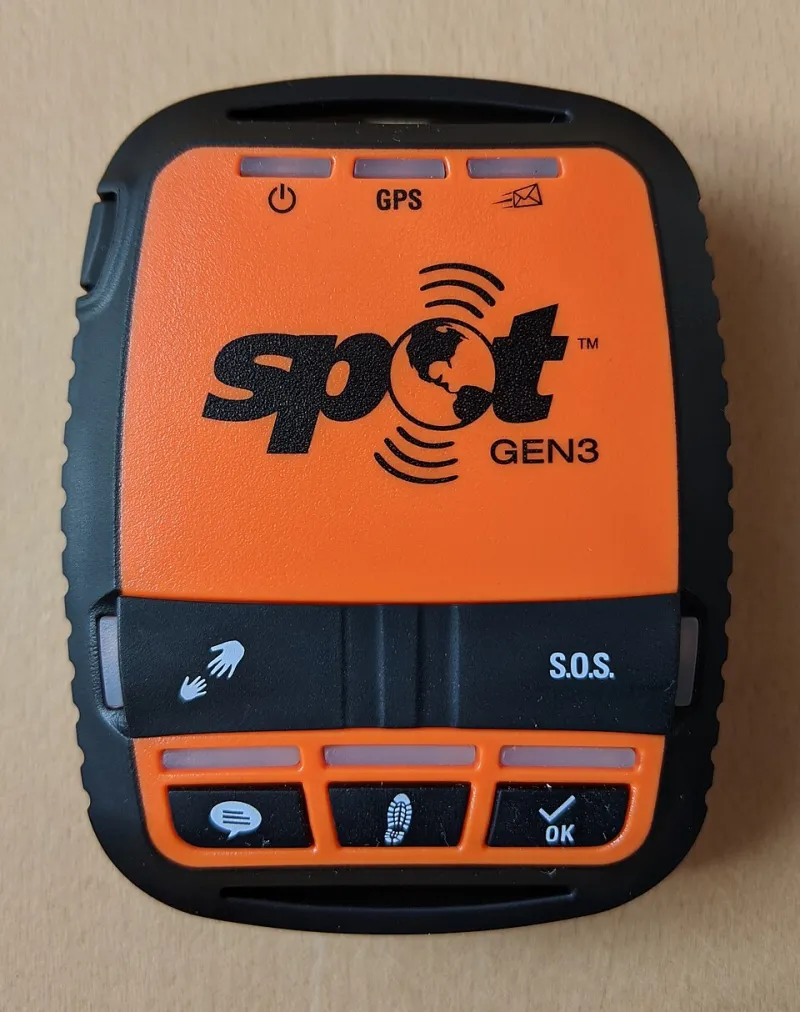
Satellite communication has become a normal expedition cost: $500 to $1,500 for hardware, airtime, and redundancy, depending on whether the climber relies on a handheld messenger, a satellite phone, or a team system. Personal gear is the other quiet line. High-altitude boots, down suits, mitts, goggles, headlamps, and repair kits can easily reach $5,000 to $12,000 for a serious objective, and much of it is replaced rather than amortized forever. American climbers often own three-season gear and rent or buy the high-altitude layer late. Late purchases are expensive purchases.
| Line item | Realistic 2026 range for a major Himalayan objective | Notes |
|---|---|---|
| Permit and royalty fees | $8,000 to $15,000 | Ask for government charges separately from operator fees |
| Operator fee | $35,000 to $90,000 | Varies widely by peak, service level, and oxygen inclusion |
| Oxygen system | $6,000 to $14,000 | Cylinders, mask, regulator, transport, testing |
| High-altitude worker tips | $3,000 to $8,000 | Establish range before departure |
| Evacuation insurance | $400 to $1,200 | Confirm altitude and helicopter exclusions |
| Satellite communications | $500 to $1,500 | Hardware, airtime, redundancy |
| Personal high-altitude gear | $5,000 to $12,000 | Boots, suit, mitts, electronics, repairs |
| Contingency | 15 to 20 percent of total | Delays, replacement, changed logistics |
The Costs Nobody Budgets For
Delayed flights are not an exception on expedition calendars. Weather, canceled connections, and missed cargo can add $500 to $2,000 in hotels, meals, rebooking, and ground transport. Gear replacement is another predictable surprise: a lost duffel, a failed boot, a cracked goggle lens, or a regulator that needs servicing. A $1,000 to $3,000 replacement reserve is not pessimistic. It is realistic.
The hardest line is the abandoned attempt. Permits, operator fees, and many logistics costs are nonrefundable or only partly refundable. A climber who turns around at Camp 3 may recover none of the permit cost and little of the operator fee. The financial price of a failed attempt can be 50 to 80 percent of the total budget, and that number belongs in the spreadsheet before the deposit is wired. The archive treats an abandoned attempt as a legitimate expedition outcome, not a bookkeeping embarrassment.
A Spreadsheet Habit
Build three columns: quoted, likely, and worst case. Ask every operator to separate permits, oxygen, worker compensation, communications, and evacuation. Keep receipts. Record the cost of the trip you did not complete as carefully as the cost of the one you did. That habit does not make high-altitude climbing cheap. It makes the decision honest, and honesty is the first piece of equipment an American climber should pack.